Residential Painting in Richmond: What Results to Expect in Humid Summers
A&A Painting Services LLC • August 5, 2026
Summer in Richmond brings heavy moisture that completely alters how wet finishes cure on your walls. Families often rush into projects without realizing that sticky air traps water inside the acrylic polymers. A&A Painting Services LLC navigates these exact climate challenges daily to ensure your walls cure with a hard and durable shell. Understanding how the local climate impacts your residential painting project prevents you from panicking when a room takes longer to dry.
Proper execution during hot months requires strict atmospheric control inside the work area. Ignoring the dew point and ambient moisture leads to soft coats that scuff easily. Applying trade knowledge to the drying phase keeps your investment fully protected.
What We Cover:
- The Blistering Paint Problem
- Why DIY Moisture Traps Make It Worse
- How Does High Humidity Affect Drying Paint?
- The Dehumidification Solution
- Securing Your Ideal Finish
The Blistering Paint Problem
When the air holds too much water, the moisture inside fresh coats cannot evaporate effectively into the room. This stalled evaporation cycle causes the acrylic layers to remain soft for days. If the room heats up quickly, the trapped water expands and creates ugly blisters across your previously smooth walls. Proper residential painting requires constant monitoring of the indoor climate.
→ From a professional standpoint: Rushing a second coat over a damp first coat locks the moisture in permanently and guarantees a failed finish.
Why DIY Moisture Traps Make It Worse
Homeowners trying to save money often turn off their air conditioning and open the windows to air out the smell. This is the absolute worst tactic because it invites thick outdoor humidity directly into the workspace. The walls act like a sponge and absorb the humid air, completely ruining the chemical bonding process. Professional contractors keep the climate tightly controlled to force the moisture out of the materials.
This attention to environmental control is something clients notice firsthand.
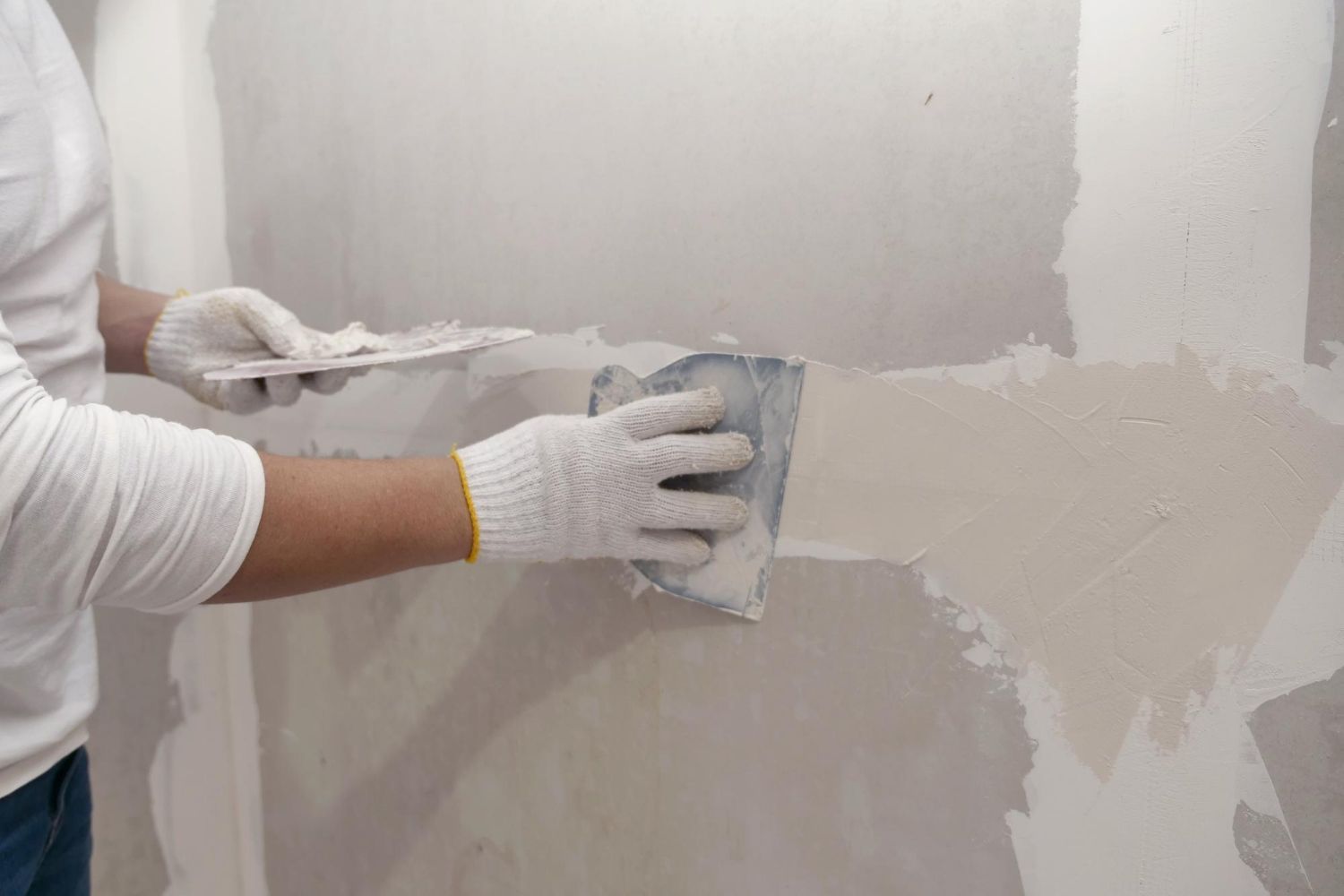
►Client Experience: Hilari Marshall shared "Remy did an amazing job painting the interior of our home. He was so meticulous when it came to the repair work we needed before he painted and once the paint was on the walls, it looked beautiful."
Executing the job with strict environmental discipline ensures the final product looks stunning and lasts for years, just as Hilari experienced.
How Does High Humidity Affect Drying Paint?
High humidity drastically slows down the evaporation of solvents and water in the mixture. Instead of drying to a hard shell in four hours, the walls might remain tacky to the touch for an entire weekend. If the moisture levels exceed eighty percent, the chemical cross linking process stops entirely. This leaves the surface highly vulnerable to permanent scuffs and peeling if anyone touches the wall too early.
The Dehumidification Solution
The only way to beat a sticky Virginia summer is to manipulate the indoor atmosphere mechanically. We deploy commercial air movers and dehumidifiers to extract moisture from the room before we even open a bucket. By dropping the relative humidity below fifty percent, we force the walls to cure at the optimal speed and form a rock solid barrier.
→ A quick tip to remember: Always leave your HVAC system running at a cool temperature for at least three days after the crew finishes a room.
Securing Your Ideal Finish
You do not have to wait until winter to refresh your living spaces. Applying the right mechanical controls ensures your summer projects turn out perfectly. Reach out to our dispatch team to book your upcoming interior upgrades.
Share This Blog